
Community News & Updates


Wellbeing and Social Inclusion
07 May, 2026
In a world that often feels fast paced and overwhelming, many people are searching for meaningful ways to improve their mental well-being. While therapy, exercise, and self-care are all important, one powerful and often overlooked tool for better mental health is volunteering and helping others.
Giving your time, energy, or support to someone in need does more than make a difference in their life — it can also transform your own.
The Connection Between Helping Others and Mental Health
Humans are naturally wired for connection. When we help others, our brains release feel-good chemicals such as dopamine, serotonin, and oxytocin. These chemicals are associated with happiness, reduced stress, and emotional bonding.
Acts of kindness — whether big or small — can create a sense of purpose, improve mood, and remind us that we are part of something larger than ourselves.
Volunteering is not just about giving back to the community. It is also about building emotional resilience and improving overall mental wellness.
1. Volunteering Reduces Stress and Anxiety
One of the biggest mental health benefits of volunteering is stress reduction. Helping others can shift focus away from personal worries and negative thought patterns.
When you spend time supporting a cause or helping someone else, your mind becomes engaged in positive action rather than overthinking or anxiety. Many volunteers report feeling calmer, more balanced, and emotionally refreshed after volunteering.
Simple acts like:
- Serving meals at a shelter.
- Visiting elderly individuals.
- Mentoring young people.
- Participating in community clean-ups can provide a healthy mental reset and reduce feelings of stress.
2. It Helps Combat Loneliness and Isolation
Loneliness can have a major impact on mental health. Volunteering creates opportunities to meet new people, build friendships, and strengthen social connections.
Being part of a team or community gives people a sense of belonging and support. This can be especially valuable for:
- Older adults
- Students
- Remote workers
- People going through difficult life changes
Meaningful human connection plays a huge role in emotional well-being, and volunteering often opens the door to those connections.
3. Helping Others Increases Happiness
There is truth behind the phrase “giving feels good.”
Studies have shown that people who regularly help others often experience greater happiness and life satisfaction. Contributing to something positive can boost self-esteem and create feelings of accomplishment.
Even small acts of kindness can brighten your mood:
- Checking in on a friend
- Donating clothes or food
- Offering encouragement
- Helping a neighbour
These actions remind us that our presence and efforts matter.
4. Volunteering Creates Purpose and Meaning
Having a sense of purpose is strongly connected to better mental health. When people feel useful and valued, they are more likely to experience emotional stability and confidence.
Volunteering can provide direction during difficult times and help individuals reconnect with their passions and values. For many people, helping others gives life deeper meaning and motivation.
Purpose can be especially important for individuals struggling with:
- Depression
- Grief
- Burnout
- Low self-worth
Knowing that your actions positively impact someone else can be incredibly healing.
5. It Encourages Gratitude and Perspective
Helping others can also change the way we view our own challenges. Volunteering often increases gratitude and empathy by helping us appreciate the things we may take for granted.
This shift in perspective can reduce negative thinking and encourage a more positive outlook on life.
While everyone faces struggles, supporting others reminds us that kindness, compassion, and hope still exist in the world.
"You Don’t Have to Do Something Huge!"
Many people think volunteering requires a large time commitment, but even small efforts can make a difference.
You can start by:
- Volunteering a few hours each month
- Supporting a local charity
- Listening to someone who needs support
- Participating in community events
- Performing simple acts of kindness daily
- Every act of compassion matters.
Final Thoughts
Mental health is influenced by many factors, but connection, kindness, and purpose are powerful tools for emotional wellness. Volunteering and helping others not only strengthen communities — they also strengthen the human spirit.
When we lift others up, we often find healing ourselves.
This Mental Health Awareness Month, consider finding a way to give back. Your kindness could change someone’s life — including your own.
Community and Economic Development
05 May, 2026
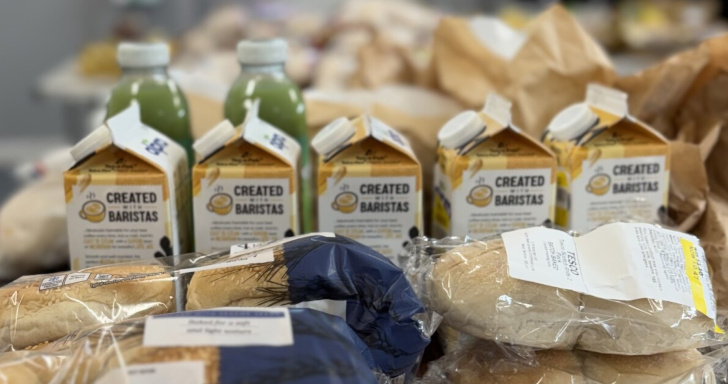
Every year, millions of tonnes of perfectly edible food are thrown away, ending up in landfills—while at the same time, countless families struggle to put food on the table. It’s a stark and troubling contradiction, but one that is entirely solvable. FareShare, the UK’s leading food redistribution charity, is proving that with the right partnerships and systems in place, we can tackle both food waste and hunger at scale.
Every year, millions of tonnes of perfectly edible food are thrown away, ending up in landfills—while at the same time, countless families struggle to put food on the table. It’s a stark and troubling contradiction, but one that is entirely solvable. FareShare, the UK’s leading food redistribution charity, is proving that with the right partnerships and systems in place, we can tackle both food waste and hunger at scale. Turning Surplus into Support Founded in 1994, FareShare has built a powerful network that links the food industry with the communities that need support most. Working with farmers, manufacturers, and retailers, the charity rescues surplus food that would otherwise go to waste—ranging from fresh fruit and vegetables to essential cupboard staples. This food is then redistributed to thousands of charities and community organisations across the UK, including food banks, homeless shelters, school breakfast clubs, and community kitchens. Each week, FareShare provides enough food to create millions of meals. But its impact extends far beyond nutrition. Shared meals can foster connection, open the door to support services, and help individuals rebuild confidence and independence. A Climate Solution on Your Plate Food waste isn’t just a social issue—it’s a pressing environmental crisis. When food decomposes in landfill, it releases methane, a greenhouse gas significantly more potent than carbon dioxide. By redistributing edible surplus food, FareShare helps prevent these emissions while also conserving the water, energy, and resources used to produce it. In fact, FareShare estimates that its work prevents tens of thousands of tonnes of CO₂ emissions each year. At a time when both climate action and food insecurity are urgent priorities, this kind of circular economy approach is more important than ever. The Power of Partnership FareShare’s success is built on collaboration. By working closely with food producers, retailers, and logistics partners, the charity ensures that surplus food is redirected quickly and safely to where it’s needed most. Its volunteer-led network plays a crucial role in making this happen, particularly when it comes to distributing perishable items efficiently at a local level. Beyond redistribution, FareShare also champions systemic change—advocating for policies that make it easier and more cost-effective for businesses to donate surplus food. Their message is simple: reducing food waste isn’t just a charitable act—it’s an environmental and social necessity. How You Can Help FareShare thrives on collective action. There are several ways individuals and organisations can support its mission: Volunteer – Help in warehouses or assist with deliveries. Donate – Financial contributions enable FareShare to expand its reach. Partner as a business – Redirect surplus food to communities in need. Advocate – Support policies that encourage sustainable food practices. Looking Ahead As the UK continues to face cost-of-living pressures alongside the climate crisis, FareShare’s role has never been more vital. The charity represents what’s possible when compassion meets sustainability—a future where good food nourishes people instead of going to waste. Fighting hunger and protecting the planet are not separate challenges. FareShare reminds us that they are deeply connected—and that together, we can build a system that cares for both people and the world we share.

The Matson Rose Garden
10 Mar, 2026
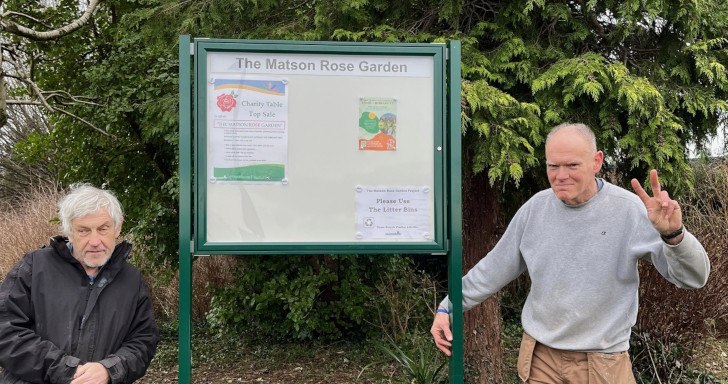
What's Happening Firstly, we have re-named the gardening group as the Matson Community Gardening Group (formerly known as The Phoenix Gardening Group) as it better reflects our connection with the community and our mission statement; as follows:
The Matson Rose Garden
17 Dec, 2025
Overview Looking back over the last 12 months, I am immensely proud of the restoration work our gardening group has achieved in the Matson Rose Garden, as well as the community-based fundraising events they have supported; to help raise funds and promote the work we do for the Matson Community.